When families begin their search for childcare, it’s natural to focus on what happens inside the classroom—learning activities, daily routines, and the small, meaningful moments that shape a child’s day.
But the impact of a great teacher doesn’t stop at the classroom door.
At Meaningful Beginnings, our educators are part of something larger. They don’t just support children’s development—they help build a connected community that supports children, families, and one another.
In a fast-paced region like San Francisco, that sense of connection matters more than ever.
More Than Teaching—Building Meaningful Connections
In early childhood education, relationships are the foundation of everything.
Our teachers take the time to truly know each child—their personality, interests, emotions, and ways of engaging with the world. Through these relationships, children begin to feel safe, confident, and valued.
Research from the Harvard Center on the Developing Child emphasizes that strong, responsive relationships are the foundation for healthy brain development and lifelong learning.
This is how we support the whole child—socially, emotionally, physically, and intellectually—through connection, not just instruction.
You may notice this impact showing up at home:
- Your child talking about their teacher with excitement
- Recreating classroom experiences through play
- Forming deeper, more meaningful friendships
These are signs of a learning environment rooted in trust and belonging.
For educators, this kind of relationship-based work is what makes teaching meaningful—and sustainable.
Supporting Families as Partners in the Journey
At Meaningful Beginnings, we believe childcare is not just a service—it’s a partnership.
Our teachers intentionally build strong, trusting relationships with families. This includes:
- Sharing thoughtful insights about your child’s development
- Listening with care to your questions and perspectives
- Creating open, ongoing communication
Research from the Harvard Family Research Project and the National Association for the Education of Young Children (NAEYC) shows that strong family-educator partnerships lead to more consistent developmental support and better outcomes for children.
Whether it’s a quick check-in at pick-up or a deeper conversation about your child’s growth, these interactions create alignment between home and school.
For teachers, this partnership brings clarity and shared purpose.
For families, it builds trust and continuity.
Creating a Space Where Families Belong
At Meaningful Beginnings, we believe community is not something that happens outside the classroom, it’s something we intentionally create within it.
Our classrooms are designed to be welcoming spaces not only for children, but for families as well.
This might look like:
- Inviting families into the classroom to share experiences, traditions, or skills
- Creating opportunities for parents to engage in their child’s learning firsthand
- Encouraging open, ongoing connection, not just drop-off and pick-up interactions
For example, a parent might join the classroom to share a cultural tradition, read a favorite story, or participate in a project alongside the children.
Research on family engagement, including work from NAEYC, highlights that when families are actively involved in early learning environments, children experience stronger emotional security and deeper learning connections.
Over time, this transforms the experience into something more connected, a place where families feel a genuine sense of belonging.
For children, this creates continuity between home and school.
For families, it builds deeper trust and connection.
And for teachers, it adds meaning to the work, creating relationships that extend beyond the classroom.
We don’t just see ourselves as a school; we are building a community space where children, families, and educators grow together.
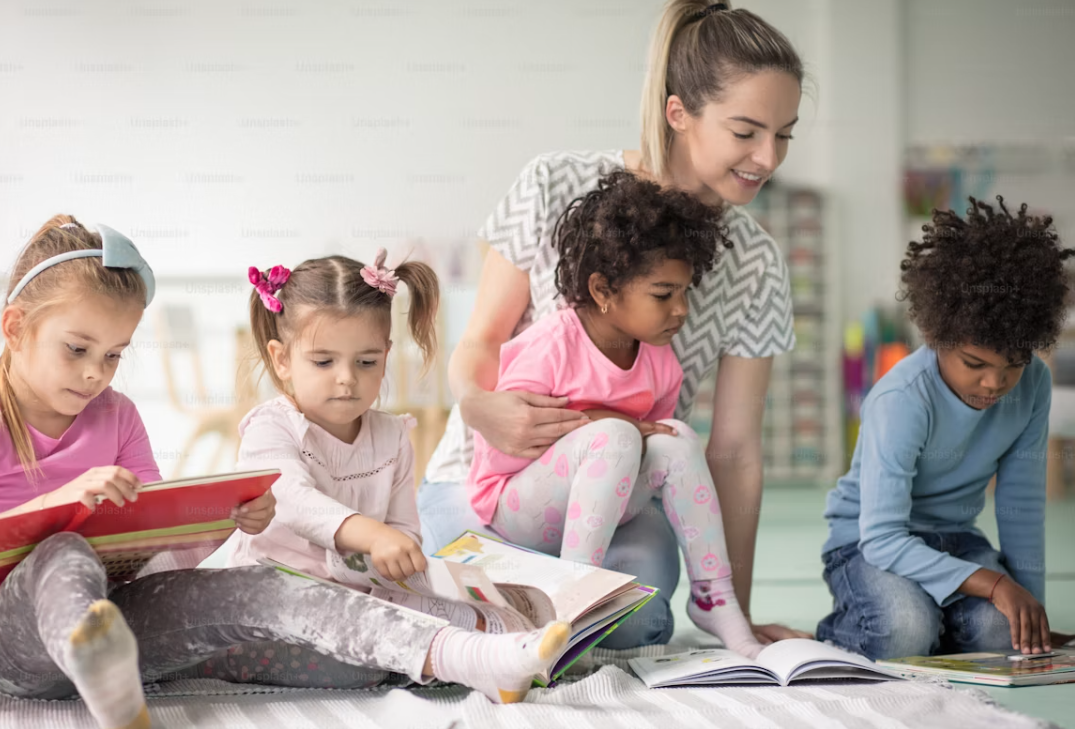
Creating a Sense of Belonging for Every Child and Family
Community isn’t built through occasional events—it’s created in everyday interactions.
Our teachers foster this sense of belonging by:
- Encouraging collaboration and empathy among children
- Creating inclusive, culturally responsive environments
- Celebrating each child’s identity, background, and experiences
Research from organizations like Zero to Three highlights that a strong sense of belonging supports children’s social-emotional development, confidence, and ability to form healthy relationships.
In a diverse community like San Francisco, this work is essential.
For educators, this also means being part of a workplace that values inclusion, respect, and shared understanding—where both children and adults feel seen and supported.
How Learning Extends Beyond the Classroom
The most meaningful learning doesn’t stay contained within four walls.
At Meaningful Beginnings, teachers intentionally create experiences that connect to children’s lives beyond school.
You might see this through:
- A classroom exploration of nature turning into family time outdoors
- Conversations about kindness shaping how children interact at home
- A child’s curiosity leading to new discoveries beyond the classroom
Research from the Harvard Center on the Developing Child supports that learning is most effective when it is meaningful, connected to real-life experiences, and reinforced across environments.
These moments reflect an approach where learning is ongoing, relevant, and deeply connected to children’s lives.
Teachers as Community Builders
Behind every strong classroom is a team of educators working together with intention.
Our teachers:
- Collaborate to create consistent, thoughtful experiences
- Share observations and insights to better support children
- Contribute to a culture rooted in respect, curiosity, and care
Research on early childhood workplace environments, including findings from NAEYC, shows that collaborative teaching teams contribute to more consistent care and improved outcomes for children.
For teachers seeking early childhood education careers in San Francisco, this sense of shared purpose and teamwork is what transforms a job into a meaningful and sustainable career.
What This Means When Choosing Childcare
When choosing childcare in San Francisco, it’s easy to focus on logistics like location, schedule, or curriculum.
But it’s worth asking a deeper question:
Does this place feel like a true community—one where families are invited to participate, connect, and belong?
Because when teachers are supported, connected, and invested in their work:
- Children feel more secure and confident
- Relationships become stronger and more meaningful
- The overall experience becomes more consistent and nurturing
For families, this brings peace of mind.
For educators, it creates a place where their work feels valued and supported.
A Lasting Impact for Children, and the People Who Teach Them
The work our teachers do each day may look simple on the surface—playing, guiding, listening—but its impact is lasting.
They help children:
- Build confidence and social-emotional skills
- Develop meaningful relationships
- Feel a sense of belonging in their community
And for educators, they create an environment where teaching is not just a role—but a meaningful, relationship-driven experience.
At Meaningful Beginnings, we believe that strong classrooms create strong communities—and that begins with teachers who care deeply about both.
For Families:
We invite you to schedule a tour and experience the Meaningful Beginnings community firsthand.
For Educators:
If you’re looking for an early childhood education career in San Francisco where relationships, collaboration, and community are at the center of the work, visit our careers page to learn more and apply.
About the Author:
This article was written by the Meaningful Beginnings Education Team. Our educators are dedicated to creating nurturing, Reggio Emilia–inspired environments where children are seen as capable, curious, and full of potential. Through thoughtful observation, collaboration, and meaningful experiences, we support each child’s growth—socially, emotionally, and intellectually—while partnering closely with families every step of the way.